Eurasian Hoopoe
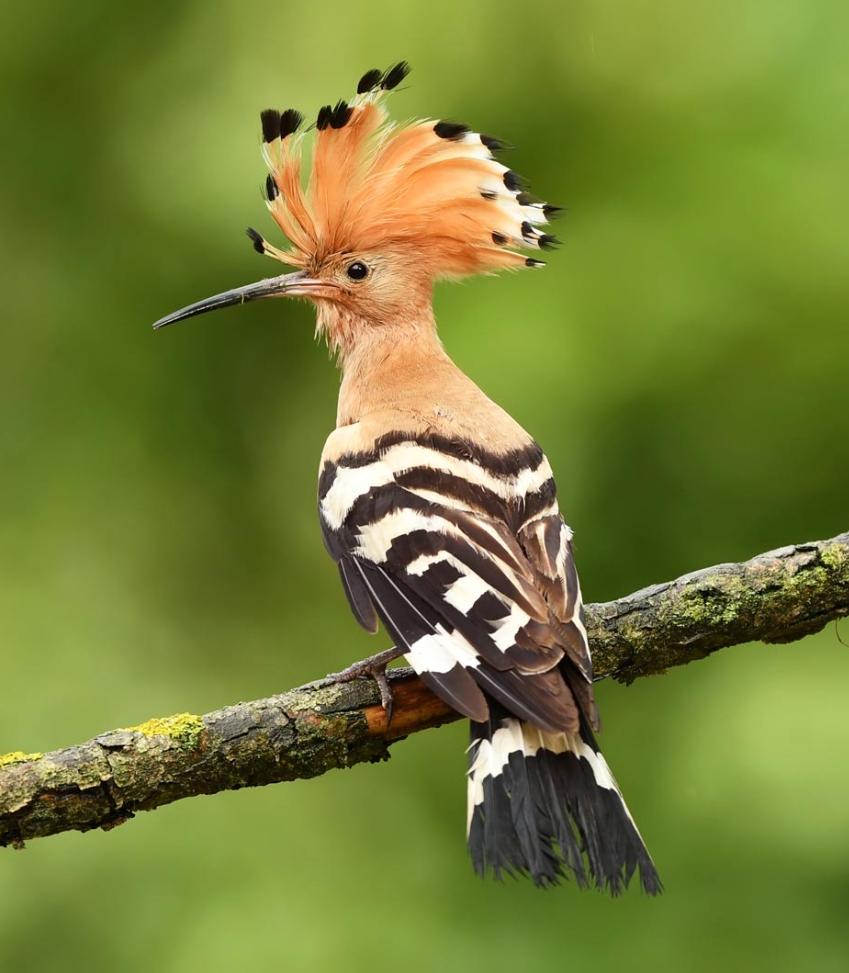
Encountering the Eurasian hoopoe in the wild is a magical moment for any nature lover exploring the diverse landscapes of Morocco. With its striking orange plumage, bold black-and-white wings, and elegant fan-shaped crest, this bird is truly one of the most visually captivating species of the region.
Often seen gracefully gliding or gently hopping across open fields, olive groves, or desert edges, the hoopoe brings life and color to the quiet Moroccan countryside. Its unique, soft “hoo-poo” call echoes through the air, creating an atmosphere that feels both peaceful and timeless.
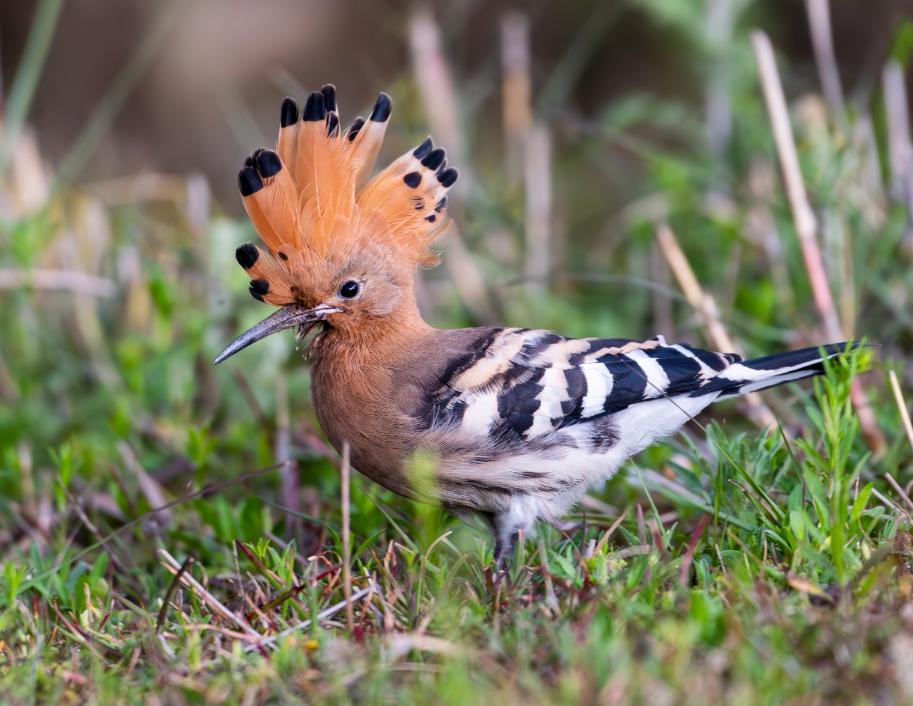
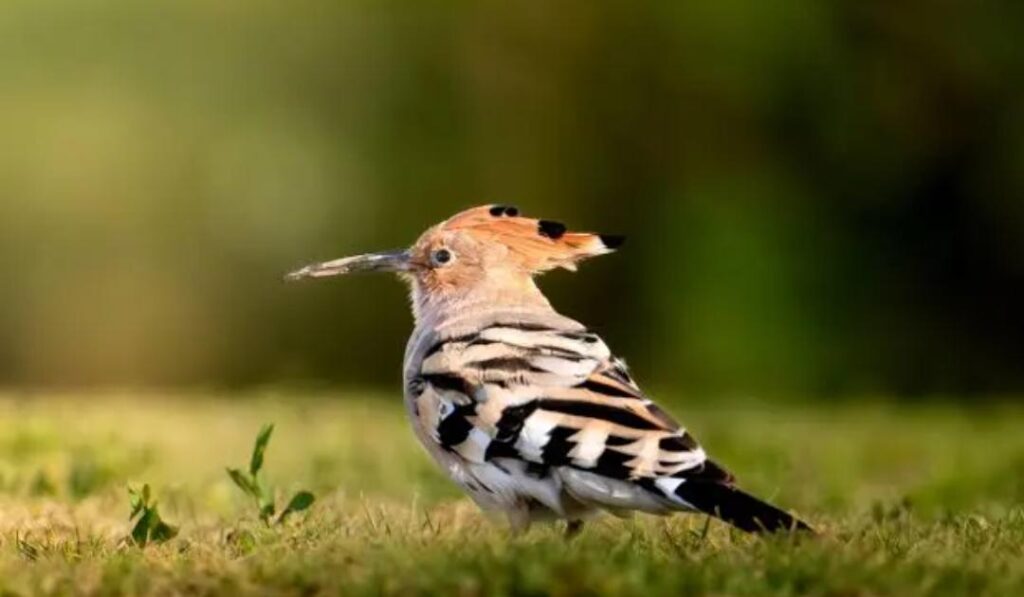
Watching a hoopoe forage with its long curved beak, skillfully searching for insects beneath the soil, offers a glimpse into the delicate balance of nature in these landscapes. For travelers and birdwatchers alike, spotting this iconic bird is more than just an observation—it’s a memorable experience that connects you deeply with the beauty and authenticity of Morocco’s natural world.
1- Appearance:
- Medium-sized bird, about 25–30 cm long.
- Striking orange-brown body with bold black-and-white striped wings and tail.
- Long, slightly curved beak, perfect for probing the ground.
- Its most distinctive feature is the fan-shaped crest on the head, which it raises when excited or alarmed.
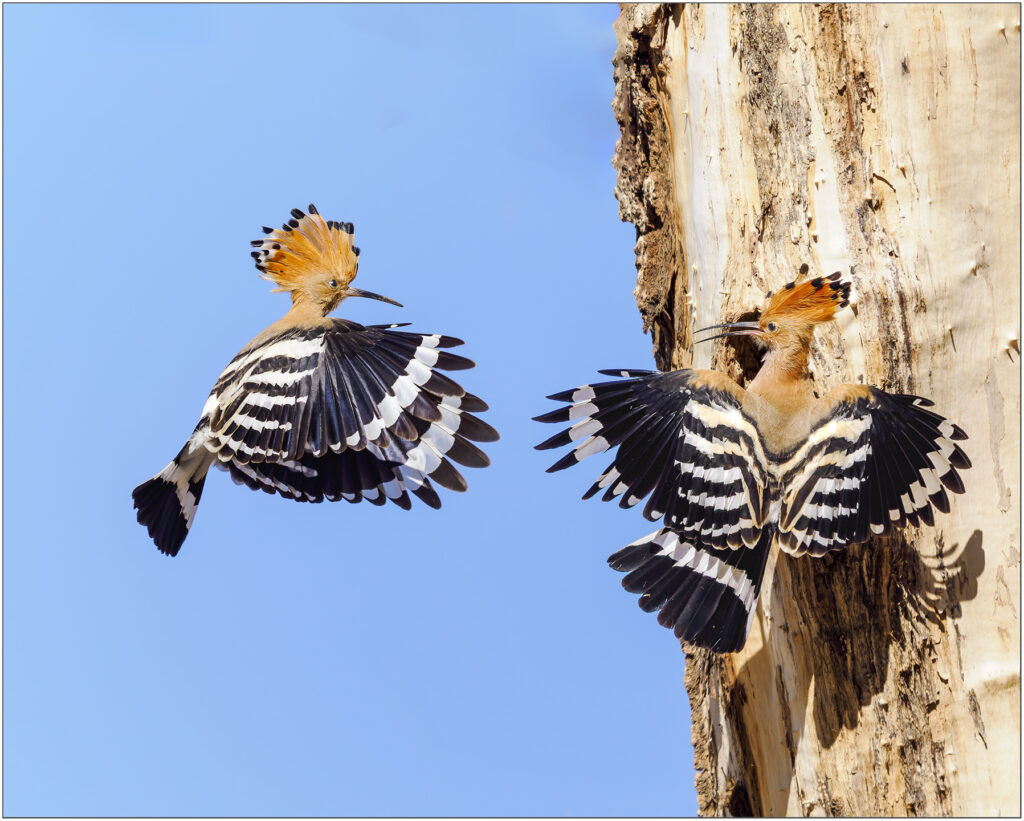
- In flight, it looks almost like a large butterfly due to its wing pattern.
2- Habitat:
- Found across Europe, North Africa (including Morocco), and parts of Asia.
- Prefers: Open countryside, Farmland, Olive groves, Desert edges and oases
- Often seen in dry, warm areas with scattered trees or walls for nesting.
3- Diet:
- Mainly insectivorous.
- Feeds on: Beetles, Ants, Grasshoppers, Larvae and worms
- Uses its long beak to probe the soil and extract insects hidden underground.
4- Behavior:
- Usually solitary or seen in pairs.
- Famous for its undulating (wave-like) flight.
- Spends much time on the ground searching for food.
- When threatened, it may: Raise its crest, Flatten itself against the ground
- Known for a soft, repeated call: “hoo-poo”, which gives the bird its name.
5- Breeding:
- Nests in tree holes, walls, or old buildings.
- Female lays around 5–7 eggs.
- One of the most unique behaviors:
- The female and chicks produce a strong-smelling secretion to deter predators.
- Both parents help feed the chicks.
6- Conservation:
- Classified as Least Concern globally.
- Still common in Morocco, especially in rural and semi-desert areas.
- Main threats: Habitat loss, Use of pesticides (reducing insect food)
- Considered a symbolic bird in many cultures, including in North Africa.